Choose a source portrait
Start with a clear face image that supplies the subject's identity, lighting, clothing, and overall visual appearance.
What is a LivePortrait? It is an AI model that transfers facial motion, expression, and head movement from a driving video onto a source portrait, creating an animated result while preserving the source image's identity and visual style.
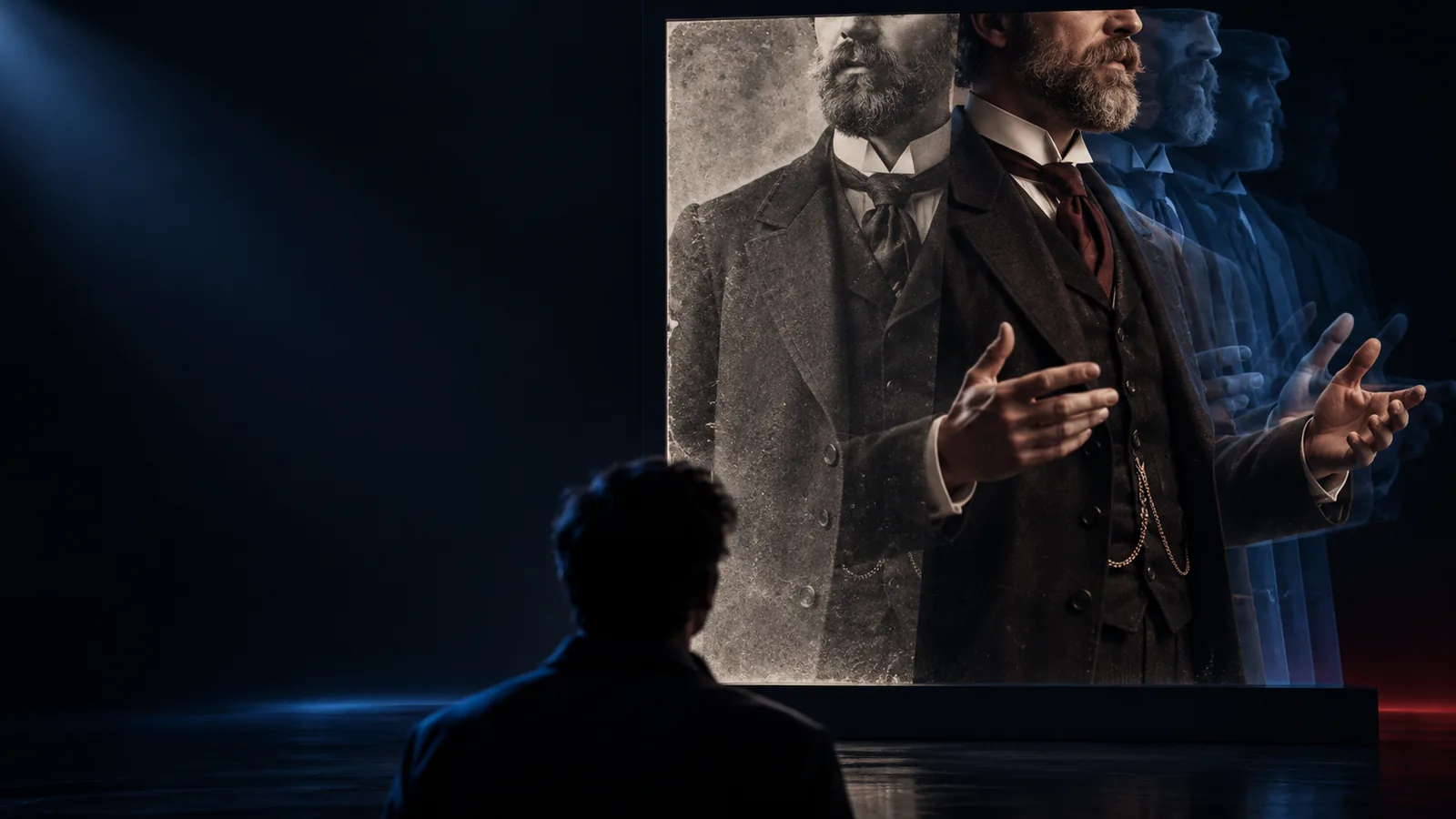
The essential idea is simple: one portrait provides the appearance, and one motion source provides the performance.
LivePortrait separates appearance from motion, then recombines them in a short image-to-video generation process.
Start with a clear face image that supplies the subject's identity, lighting, clothing, and overall visual appearance.
A video or motion sequence supplies cues such as facial expression, eye movement, head rotation, and speaking-related motion.
The model maps the driving motion onto the source portrait and produces frames that preserve the subject while following the performance.
Understanding the boundary between motion transfer and full video generation helps set accurate expectations.
01
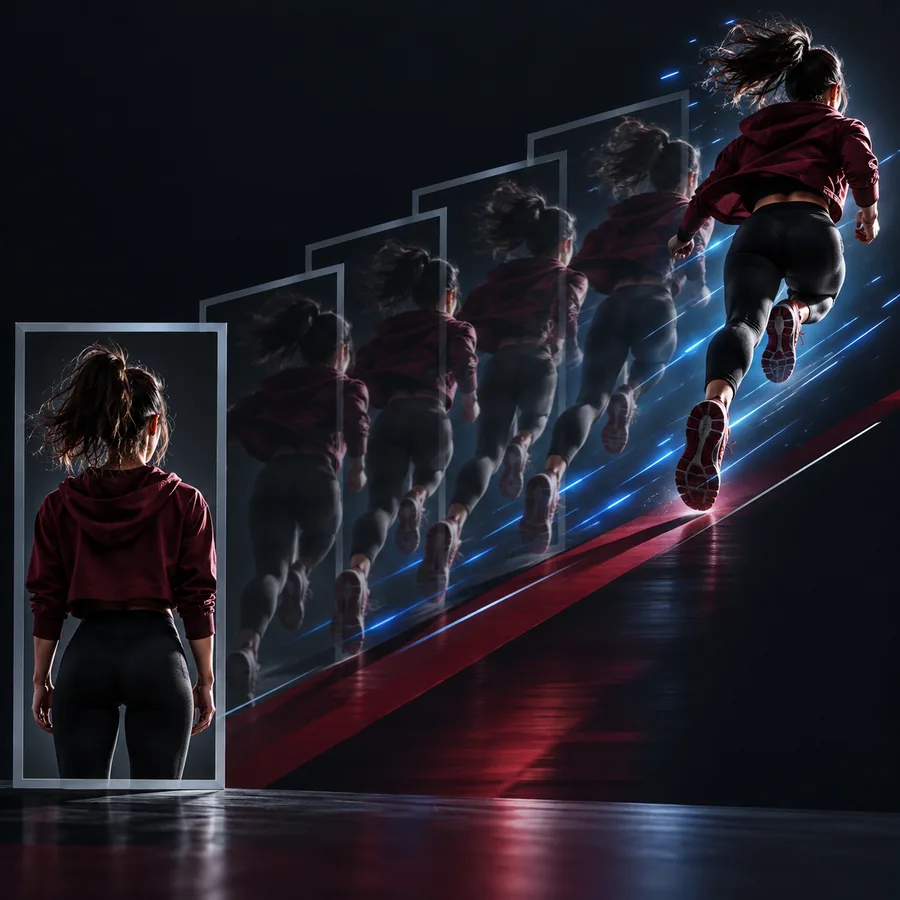
LivePortrait can animate a single portrait with motion taken from another performance. It is suited to expressive talking-head clips, subtle reactions, head turns, eye direction, smiles, and stylized portrait animation. The source portrait can be photographic, illustrated, or otherwise visual, as long as the face and important features are readable.
02
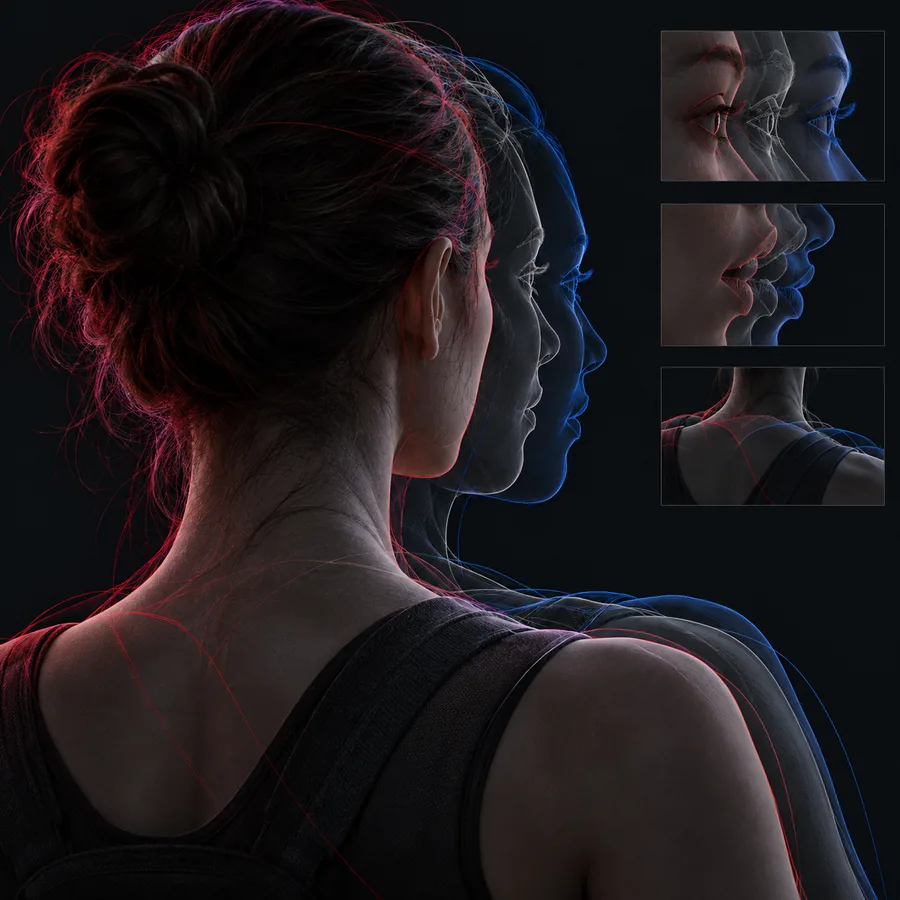
LivePortrait is not a general-purpose scene simulator. It does not automatically invent a full body, new camera choreography, accurate hand movement, or a consistent background from one still image. Results can also weaken when the face is hidden, heavily angled, poorly lit, extremely stylized, or unlike the driving performance.
The model is useful wherever a still character needs a compact, repeatable performance without filming a new subject for every variation.
Compare the practical considerations of using LivePortrait through an online interface.
See how the AI model fits into the broader landscape of portrait animation tools.
Follow a focused workflow for preparing inputs and producing an animated portrait.
The format developed from a research problem—controlling portrait motion—into a practical way to explore characters, expressions, and visual communication.
Traditional portrait media begins with a fixed photograph or illustration. The appearance is established, but the image has no natural way to respond or perform.
Motion-transfer research introduced a useful separation: one input supplies who the subject is, while another supplies how the subject moves.
Modern portrait animation models aim to preserve recognizable features while following the expression and pose found in the driving source.
The same source portrait can support different performances, making the format useful for experiments, character studies, explainers, and visual prototypes.
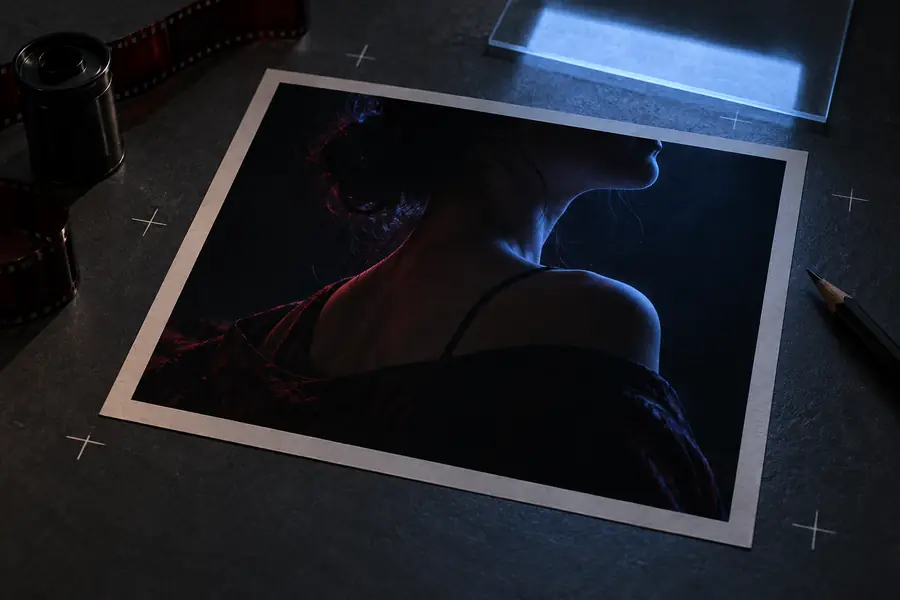
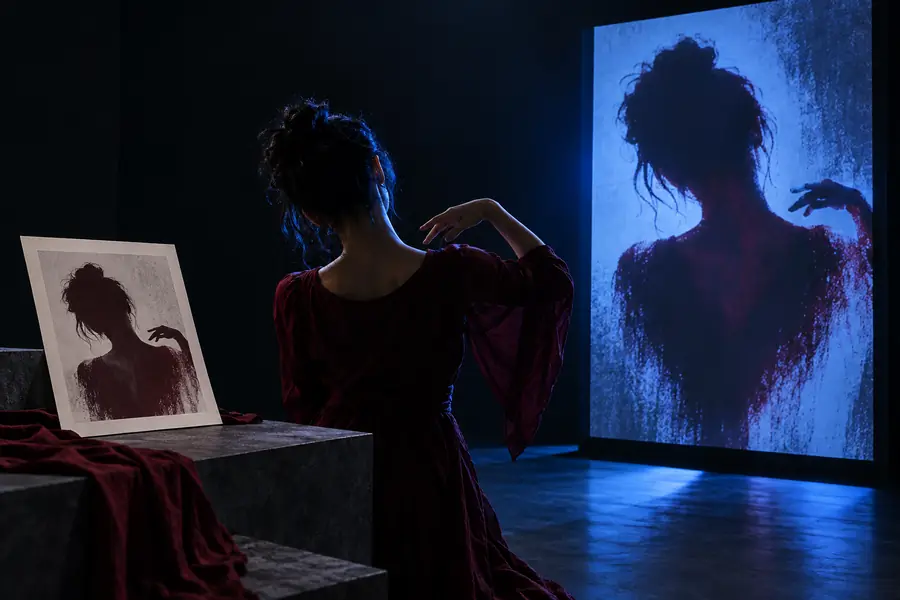
The appearance comes from the source portrait; the movement comes from the driving performance.
A useful way to understand LivePortrait is to compare the two inputs separately: the source image answers “who is being shown?” and the driving sequence answers “how are they moving?” From there, the model combines identity and motion into an animated portrait that can be reviewed, refined, and reused.
A LivePortrait is an animated portrait generated by applying motion from a driving video or sequence to a source image. The result keeps the source subject's appearance while adding facial expression and head movement.
It is best understood as a portrait animation and motion-transfer model. It starts with an image, uses a separate motion source, and produces a short animated result rather than inventing an entire scene from text alone.
The usual workflow needs a source portrait and a driving performance. A clear face image and a motion source with visible expressions generally give the model more useful information to transfer.
It can transfer visible cues such as facial expression, eye direction, head pose, and related portrait movement. The quality depends on how well the source image and driving performance match the intended result.
It is not designed to guarantee full-body animation, complex hand movement, unrestricted camera motion, or a complete new environment from one portrait. Occlusion, extreme poses, unusual viewpoints, and mismatched inputs can reduce consistency.